Clean slit edges depend on the material, the machine setup, and the blade working together. Understanding the razor slitting process helps converting teams discuss those factors before changing tooling. At Hardedge Tool, we supply industrial razor blades and other cutting tools for applications including film, foil, paper, and flexible packaging. Selecting a blade starts with the actual web and holder requirements, followed by a controlled evaluation of cut quality under your production conditions.
How Does a Razor Cut a Moving Web?
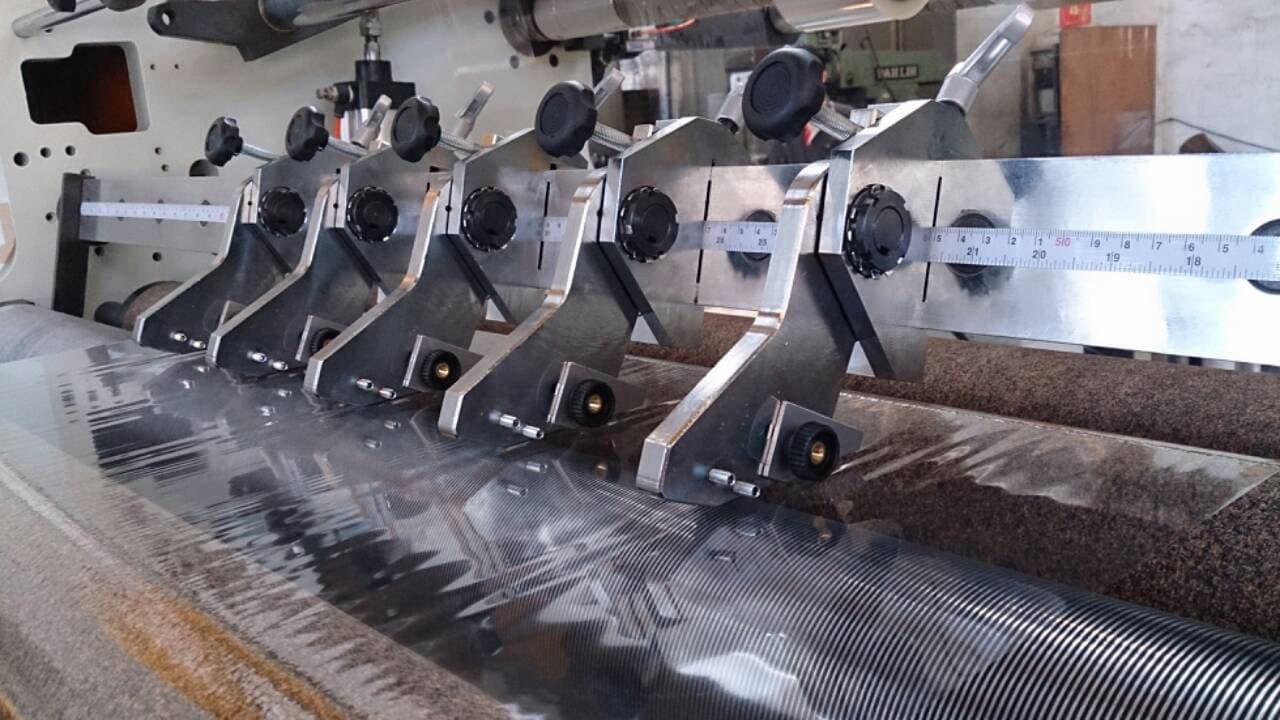
In a typical arrangement, a thin razor edge cuts the web as material travels through the machine. Blade position and web support affect the cut. The right arrangement depends on the material and equipment, not a universal setup. The razor slitting process can use a supported web or an unsupported, in-air configuration. Those approaches create different conditions at the cutting point. Ask the equipment supplier which configuration fits the machine and application. Confirm blade mounting and alignment before treating a new blade as the solution to every edge-quality problem.
Application Fit Across Industrial Slitting Methods
Comparing industrial slitting methods helps establish if razor cutting is appropriate for the material. Thin films are common razor applications. Shear cutting uses interacting upper and lower knives, while score or crush cutting pushes a blade through the web against a hardened roll. These mechanical differences affect the cutting conditions and the edge produced. Select the method around the web, finished roll requirements, and available equipment.
Begin with the finished roll requirements. A narrow width, sensitive coating, or particular edge standard may influence the evaluation. Ask what the machine can support and which method has been validated for similar material. If an application changes substantially, reconsider the cutting method before assuming blade substitution alone can improve the existing tooling.
What Determines Blade Material for Slitting?
Choosing blade material for slitting involves matching wear behavior, edge characteristics, and compatibility with the web. Test the right choice against the application rather than selecting it based solely on the material’s name or purchase price.
- Steel Blades: Stainless and high-speed steel options can provide different balances of cost and wear resistance. Compare their results under the same application conditions.
- Solid Carbide Blades: Tungsten carbide is an option when wear resistance is a priority. Confirm holder compatibility and evaluate actual edge quality during a trial.
- Solid Ceramic Blades: Zirconia options offer a different cutting material from steel or carbide. Discuss their suitability for the web and the handling practices required.
- Coated Blades: A coating adds a surface treatment to the underlying blade material. Compare that construction with a solid blade instead of assuming the descriptions mean the same thing.
Hardware Compatibility in the Razor Slitting Process
A blade’s material is only part of its specification. The shape, dimensions, mounting features, and edge configuration must also fit the machine.
Mounting Pattern
Check the holder requirements against the blade drawing. Slotted and three-hole patterns are different formats. A blade should match the intended mounting arrangement rather than rely on an improvised fit.
Blade Dimensions
Confirm length, width, thickness, and relevant tolerances before ordering. Similar-looking blades may differ in ways that affect positioning. Use the equipment specification or an approved part drawing as the reference.
Edge Configuration
Identify the cutting edge required for the application. Ask how the blade will be positioned in the existing holder. Record the approved specification so later orders can repeat the evaluated setup.
Coatings, Construction, and Product Descriptions
Read product descriptions carefully enough to distinguish a solid material from a coated substrate. A ceramic-coated steel blade and a solid ceramic blade have different constructions. That distinction matters when comparing options and documenting a trial.
At Hardedge Tool, we offer slotted and three-hole razor formats, with options including steel, solid tungsten carbide, solid zirconia, and coated blades. Consult us for a recommendation based on your web and holder details. A catalog description can identify available options, but production results establish how a particular choice behaves in your process. Retain the part specification alongside the observations made during testing.
Why Can Slit-Edge Quality Change During a Run?
A declining cut can reflect blade wear, buildup, or changes in conditions at the cutting point. Review the web, alignment, and operating conditions instead of adjusting several variables at once. Changes are easier to understand when the previous setup has been documented. Observe the defect carefully. Identify if it affects one slit or several and if it appears immediately or develops during the run. The razor slitting process is easier to troubleshoot when the description includes the issue’s location, timing, and appearance. Keep representative samples so suppliers can review the actual result rather than rely only on a general description of poor cutting.
Controlled Trials for the Razor Slitting Process
Choose a clear outcome for the trial, such as acceptable edge appearance or a reduction in rejected material. Keep other production conditions consistent where practical and record any changes. A comparison is less useful when the blade, web, and setup all change at the same time. Review more than the purchase price. Blade changes, setup time, scrap, and consistency can affect an option’s practical value. Save the approved blade details, machine settings, and material information after a successful evaluation. If results vary later, that record gives the team a starting point for identifying what changed instead of rebuilding the specification from memory.
Refine Your Razor Slitting Process With Application Support
Contact us at Hardedge Tool with your web and holder specifications to discuss your razor slitting process.