How to Choose the Right Industrial Razor Blade for Film Slitting Operations
In film converting and flexible packaging production, cutting precision directly impacts product quality, machine efficiency, and overall operational costs. Choosing the right industrial razor blade is one of the most important decisions in any slitting process. The wrong blade can lead to inconsistent cuts, increased downtime, material waste, and frequent blade replacements.
For manufacturers working with film, foil, paper, or flexible packaging materials, selecting a blade designed for the specific application can significantly improve performance. With over 50 years of experience supplying industrial razor blades and slitting solutions, Hardedge Tool helps companies across the United States optimize their cutting operations with high‑performance blades designed for precision and durability.
Understanding Razor Slitting in Converting Operations
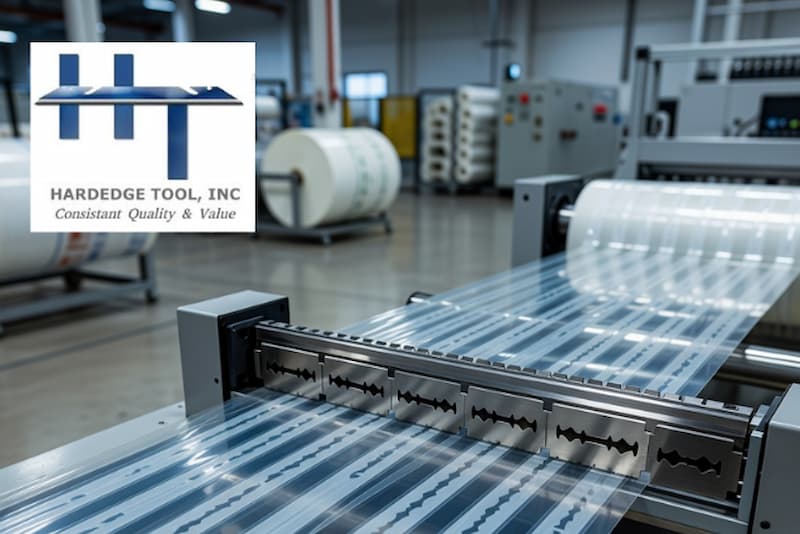
Razor slitting is one of the most common cutting methods used in film and flexible packaging production. In this process, a stationary razor blade slices through material as it moves across a web handling system.
This method is widely used because it provides:
• Clean, precise cuts for thin materials
• High-speed processing capability
• Lower machine complexity compared to other slitting methods
• Reduced maintenance requirements
However, achieving consistent results depends heavily on blade quality, blade material, and the type of coating used. Choosing the correct blade ensures smoother production and fewer disruptions.
Common Cutting Challenges in Film and Packaging Manufacturing
Manufacturers often encounter several issues during slitting operations that can be traced back to blade selection.
Common problems include:
• Frayed or rough material edges
• Frequent blade changes
• Material tearing or stretching
• Inconsistent slit widths
• Increased machine downtime
These issues not only slow production but also increase operational costs. High‑quality industrial razor blades designed specifically for converting applications can help eliminate many of these challenges.
Key Factors When Selecting an Industrial Razor Blade
Material Being Cut
Different materials require different blade properties. For example, thin plastic films require extremely sharp edges, while thicker laminated materials require stronger, more wear‑resistant blades.
Industries commonly using razor slitting blades include:
• Film converting
• Flexible packaging
• Foil production
• Paper manufacturing
• Fiber and textile processing
Blade Material
The material used to manufacture the blade determines how long it lasts and how well it performs in demanding environments.
Common blade materials include:
High-Speed Steel (HSS)
Provides excellent durability and sharpness for many converting applications.
Tungsten Carbide
Extremely wear resistant and ideal for high‑volume operations requiring long blade life.
Ceramic Zirconia
Provides exceptional hardness and corrosion resistance, making it ideal for abrasive materials.
Coated Stainless Steel
Ceramic or titanium carbide coatings improve durability and reduce friction during cutting.
Blade Configuration
Razor blades used in converting equipment often come in specific configurations designed for certain machines.
Popular options include:
• Three‑hole razor slitter blades
• Slotted razor blades
• Injector blades for automated systems
Choosing the correct configuration ensures compatibility with your equipment and helps maintain proper blade alignment during operation.
High-Performance Blade Options from Hardedge Tool
Hardedge Tool offers a range of precision blades designed for demanding industrial environments.
Some of the most widely used options include:
HT HSS‑10 High-Speed Steel Slotted Razor
Designed for durability and consistent sharpness in high‑speed converting lines.
Titanium Carbide SS 3‑Hole Razor Blade
A ceramic-coated stainless steel blade that delivers improved wear resistance and longer service life.
Carbide 3‑Hole Razor Slitter
Ideal for operations requiring extended blade life and reduced replacement frequency.
Solid Tungsten Carbide Slotted Slitter Blade
Offers exceptional durability and cutting precision in demanding applications.
Solid Ceramic Zirconia Slotted Slitter Blade
A high-performance solution for abrasive materials and environments where corrosion resistance is important.
These blades are engineered to maintain sharpness, reduce friction, and improve overall cutting efficiency.
Benefits of High-Quality Film Slitting Blades
Investing in precision blades provides measurable advantages across converting operations.
Key benefits include:
• Cleaner edges and improved product quality
• Reduced downtime from fewer blade changes
• Longer blade lifespan
• Increased production efficiency
• Lower material waste
When paired with the correct cutting setup and machine calibration, high‑performance blades help manufacturers maintain consistent output while minimizing operational disruptions.
Working with an Experienced Blade Supplier
Selecting the right blade is not just about the product—it also requires expertise in industrial cutting applications.
Hardedge Tool works closely with manufacturers to analyze cutting requirements and recommend the best blade solution. Their process includes evaluating material types, production speeds, and equipment specifications to ensure optimal results.
Learn more about their razor slitting solutions here:
https://hardedgetool.com/razor-slitting/
Industry best practices for converting operations are often outlined by organizations like the Flexible Packaging Association, which provides resources on packaging manufacturing and production efficiency.
FAQ
How do I know which slitting blade is right for my material?
The best blade depends on the material type, thickness, and production speed. Consulting with an experienced supplier like Hardedge Tool helps ensure the correct blade material and configuration are selected.
How often should industrial razor blades be replaced?
Replacement frequency depends on production volume, material abrasiveness, and blade type. High‑quality blades such as carbide or ceramic models typically last longer than standard steel blades.
What is the difference between carbide and ceramic slitting blades?
Carbide blades offer exceptional wear resistance and durability, while ceramic blades provide superior hardness and corrosion resistance for abrasive materials.
Can slitting blades be resharpened?
Many industrial blades can be reconditioned or sharpened multiple times, helping extend their lifespan and reduce operating costs.
Why do blade coatings matter?
Coatings such as titanium carbide or ceramic reduce friction, improve durability, and enhance resistance to wear and corrosion during high‑speed cutting.
How to Choose the Right Industrial Razor Blade
Precision cutting is critical for film converting, packaging production, and other industrial manufacturing processes. Choosing the right industrial razor blade improves cut quality, reduces downtime, and increases overall production efficiency.
With more than five decades of expertise in industrial cutting solutions, Hardedge Tool provides high‑performance razor blades designed to meet the demanding needs of modern manufacturing operations across the United States.
If you are looking to improve your slitting performance or need help selecting the right blade for your application, contact Hardedge Tool today at 859‑581‑0770 or visit https://hardedgetool.com/ to request expert guidance and a quote.
Blog by Foster Group